
Useful Information
All program arrangements will be updated and adjusted in accordance with health and weather protocols, as well as the availability of guest speakers.
The ASEACCU Steering Committee and the host institutions, Universitas Sanata Dharma (USD) and Universitas Atma Jaya Yogyakarta (UAJY), reserve the right to modify the program details as necessary due to time constraints or unforeseen circumstances.
.
- 1. Registration
- 2. Timetable for ASEACCU 2026
- 3. Registration fee payment
- 4. Hotel Information
- 5. Airport Arrivals
- 6. Contact Detail
- 7. Visa/ETA Requirements
- 8. Certificate
- 9. Conference Kit
1 – Registration period
- Registration is open now until June 30, 2026
- Registration should only made via the ASEACCU Conference 2026 Website
2 – Registration Fee
Register by June 1, 2026 (includes accommodation and shuttle service)
- Faculty and staff conference USD 500
- Student conference USD 350
All registrations between June 2, 2026 and June 30, 2026 (exclusive of accommodation and shuttle service).
- Faculty and staff conference USD 350
- Student conference USD 250
Registration fee includes all as follows:
- Transportation to and from Attractions (Yogyakarta International Airport to and from Hotel, Hotel to and from Campus venue)
- Meals (AM Snacks, Lunch, most PM Snacks, Dinner)
- Hotel Accommodation for the program duration (if registered by June 1, 2026):
- Student conference: accommodation for 3 nights with breakfast
- Faculty conference: accommodation for 3 nights with breakfast
- Conference Kit
- Cultural visit: Ramayana Dance Performance at Prambanan Temple
Registration Policy
Once booked, registration fee is non-refundable.
- Registration Period: now until June 30, 2026
- Conference Duration: August 18-21, 2026
ASEACCU 2026 payment
- The registration fee must be paid either by credit card or bank transfer. Please follow the instructions in the payment portal.
- The registration fee payment deadline for both conferences is on June 30, 2026. Registration is not confirmed until payment has been received.
Bank Transfer Information
Member institutions can pay the ASEACCU Conference in USD through the following account:
Account Name: Universidade de São José
Bank Name: Banco Nacional Ultramarino
Account Number: 9006835049
Bank address: Avenida Almeida Ribeiro, No. 22, Macau (China)
Swift Code: BNULMOMX
IBAN: N/A (in Asia)
Important: Please cover the Bank charges and the wire transfer fee your Bank may charge.
Hotel Arrangement:
- Faculty and staff members: Accommodation is provided for 3 nights (August 18, 19, and 20). Single rooms will be arranged.
- Students: Accommodation is provided for 3 nights (August 18, 19, and 20). Shared rooms will be arranged.
For additional nights, the cost per room per night will be:
- Faculty and staff members: approx. USD 100
- Students: approx. USD 50
Please note rooms are subject to availability and accommodation at other locations may be required. If you wish to extend your stay at our conference accommodations outside of the above dates, you may book directly through their websites below.
Please contact the PIC team should you need further assistance.
- Ms. Dixta: io@usd.ac.id
- Ms. Rini: rini.harjanti@uajy.ac.id
Hotel Information
| Faculty/
Student |
Hotel | Stars | Venue-Hotel/ Distance (Km) | Website |
| Faculty | Royal Ambarrukmo | 5 | 4 | https://www.royalambarrukmo.com/ |
| Student | Gramm Hotel | 4 | 4 | https://grammhotel.com/ |
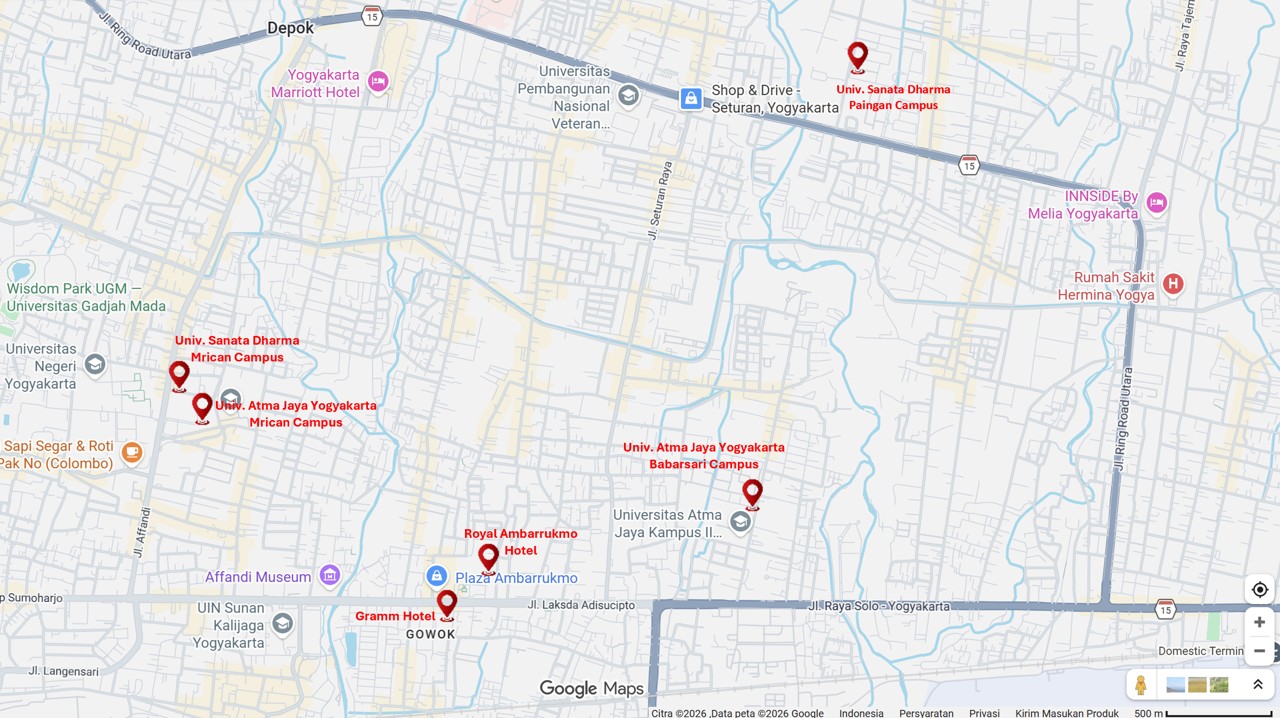
All participants registered up to June 1, 2026 will be picked up at Yogyakarta International Airport (YIA). Therefore, kindly provide your arrival time in advance.
In the event that any participant is not accommodated during the airport pickup, transportation to Hotel Royal Ambarrukmo or Gramm Hotel can be arranged independently. Participants may take the Yogyakarta International Airport Rail Link (https://reservation.railink.co.id/) from the airport to Tugu Yogyakarta Station (approx. 45 minutes), followed by a taxi (such as Bluebird) or ride-hailing service (such as Gojek or Grab) to the hotel.
Alternatively, participants may use a direct airport taxi / online taxi or ride-hailing service from the airport to the hotel, which typically takes approximately 1.5 to 2 hours depending on traffic.

The PIC team together with the ASEACCU Secretariat will be creating a Group Chat for all participants for easy communication on general information. This information will be sent to all participants in the week leading up to the conference.
For direct and formal communication, you may reach the PIC team through email.
Ms. Caecilia Tutyandari (Univ. Sanata Dharma): tutyandari@usd.ac.id
Mr. Yosef Daryanto (Univ. Atma Jaya Yogyakarta): yosef.daryanto@uajy.ac.id
Visa requirements may vary from one country of origin to another. Please check if you would need a visa to enter Indonesia and prepare timely: The Official eVisa website for Indonesia
For participation in the conference, there are two types of visas that may be used:
- a Visa on Arrival (VoA – B1) and
- a Single-entry Visit Visa (B211A)
To reduce conference costs, environmental impact and ensure a seamless and efficient experience for all conference attendees and the organizers, an authorized e-certificate will be sent to you through the email you inputted during your registration process, immediately after the conference.
Student and staff/faculty participants will receive:
- ID/Name badge
- Lanyard
- T-Shirt
- Conference tote bag
- Notebook
- Pen
- Umbrella
- Shopping bag charm
- Tumbler
- Herb and apices mixture (Wedang Uwuh)
- 10. Guest Speaker
- 11. Cultural visits
- 12. Things to See and Do in Yogyakarta
- 13. Local Transportation
- 14. Liturgy
- 15. Currency
- 17. Electricity
- 18. Weather and Clothing
- 19. Drinking Water
- 20. Emergency Protocol
Detailed information about the guest speakers in the conference program will be updated on the Conference website.
The conference has arranged a series of cultural and spiritual visits as part of the “Cultural Heritage and Pilgrimage Experience” in Yogyakarta.
Participants will have the opportunity to explore the richness of Javanese culture, religious traditions, and historical heritage through a thoughtfully curated program. Travel to and from all destinations will be pre-arranged by the organizing committee to ensure a smooth and comfortable experience.
Program Highlights:
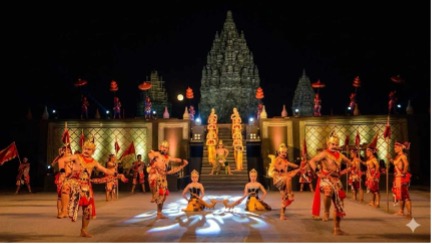
Ramayana Ballet Prambanan Performance with Prambanan Temple View
Prambanan is the largest Hindu temple complex in Indonesia and a UNESCO World Heritage Site. Built in the 9th century, it is dedicated to the Trimurti—Brahma, Vishnu, and Shiva. The temple is renowned for its towering architecture and intricate stone carvings depicting ancient Hindu epics.
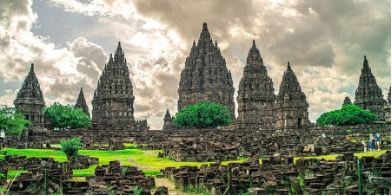
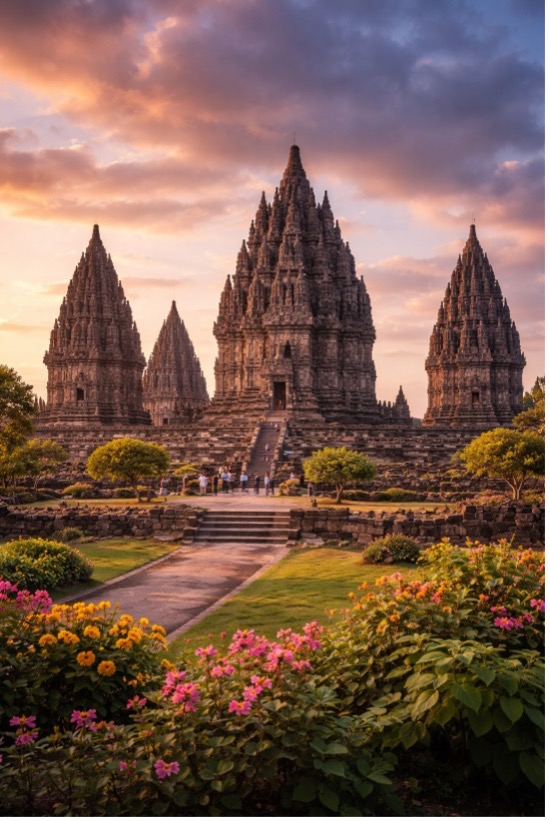
Set against the majestic backdrop of Prambanan Temple, the Ramayana Ballet presents the legendary Hindu epic through a combination of traditional dance, music, and drama. This open-air performance offers a memorable cultural experience, especially during sunset and evening time.
Short Tour in Ganjuran Temple
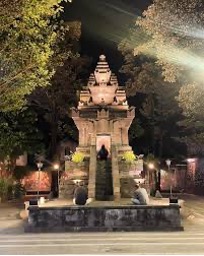
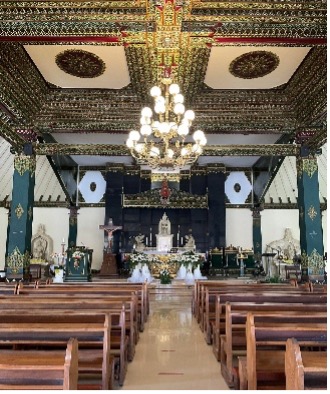
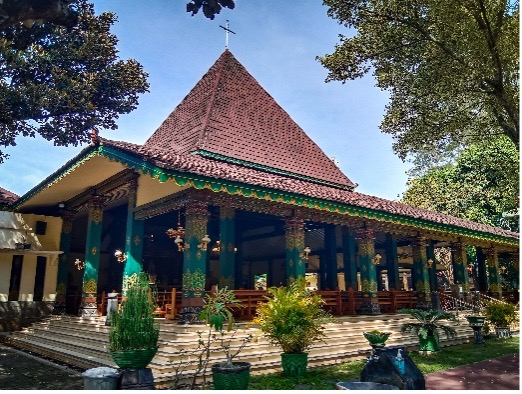
Ganjuran Temple is a unique Catholic pilgrimage site that reflects a deep inculturation of Javanese culture. Visitors will find a blend of Catholic spirituality and local traditions, including a temple-like structure inspired by Hindu-Javanese architecture.
The closing Mass will be held at the Sacred Heart of Jesus Church Ganjuran. This historic church, known for its serene atmosphere and cultural uniqueness. The site is a significant place of pilgrimage in Indonesia, symbolizing harmony between faith and local culture.
The beauty of Yogyakarta (Jogja) lies not only on its surface, but is deeply rooted in its rich cultural heritage, historical legacy, and vibrant local life.
Known as the cultural heart of Java, Yogyakarta offers a unique blend of tradition and modernity. From majestic heritage sites and royal traditions to contemporary art scenes and culinary delights, the city provides meaningful experiences for every visitor.
While preserving its historical identity, Yogyakarta continues to grow as a welcoming destination for international visitors, making it one of Indonesia’s most beloved cities.
For more travel information, you may visit:
https://visitingjogja.jogjaprov.go.id/
You may also explore maps and recommendations via Google Maps or local travel platforms to help plan your visit.
Check out the following attractions:
- Keraton Yogyakarta (The Royal Palace)
- Taman Sari (Water Castle)
- Malioboro Street (Shopping and cultural street)
- Prambanan Temple (UNESCO World Heritage Site)
- Borobudur Temple (World’s largest Buddhist temple, located near Yogyakarta)
Transportation to and from Attractions (Hotel to and from venue) for those who are staying at Royal Ambarrukmo and Gramm Hotel are covered in your registration fee.
Should you wish to explore Yogyakarta on your own, various convenient transportation options are available. Ride-hailing services such as Grab and Gojek are widely used and easily accessible throughout the city.
You may download these applications via the App Store or Google Play to book rides, order food, and access other services during your stay. These apps provide transparent pricing, navigation assistance, and multiple payment options, making them a practical choice for getting around the city.
In addition, you may also find conventional taxis and local transportation options available. However, using ride-hailing apps is generally the most convenient way to travel in Yogyakarta.
For the masses during the conference, kindly refer to the 2026 ASEACCU Program.
The Indonesian Rupiah (IDR) is the official currency of Indonesia.
For the daily foreign exchange rate, please visit: https://www.bi.go.id/en/statistik/informasi-kurs/transaksi-bi/default.aspx
Foreign currency can be exchanged at authorized money changers, banks, or international airports and hotels. It is recommended to use licensed exchange services for security and reliability.
Be sure to keep the receipt obtained during the exchange. If you need to convert unused Indonesian Rupiah back before leaving, you may be required to present this receipt.
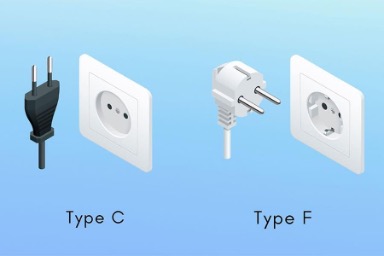
The standard voltage in Indonesia is 230V, and the frequency is 50Hz. There are two common types of plugs: Type C, which has two round pins, and Type F (Schuko), which has two round pins with grounding clips on the sides. Two-pin plugs (Type C) can also be used with Type F sockets.
In August, Yogyakarta typically experiences dry season weather with warm temperatures and low rainfall. August is part of the peak dry season, so sunny days are common.
Daytime temperatures usually reach around 30–32°C, while at night they may drop to about 22–24°C. Although generally dry, the weather can still feel hot during midday.
Participants are advised to wear light, breathable clothing, stay hydrated, and use sun protection such as hats, sunglasses, or sunscreen when outdoors.
In Yogyakarta, tap water is generally not safe for direct consumption, and it is recommended to boil water before drinking or use filtered/bottled water.
There are usually hot and cold water dispensers available at the Conference venues for participants to use. In line with the conference’s commitment to sustainability, participants are encouraged to use and refill their conference drink bottle (tumbler) or personal reusable bottle throughout the event, rather than purchasing single-use bottled water.
In the event that an earthquake occurs:
- Prepare an “emergency evacuation kit” and place it in an easily accessible location.
- Stay calm and prioritize your safety, especially from falling objects.
- When the shaking is strong, take cover under a sturdy table or next to a main pillar.
- Avoid sheltering under light fixtures, near cabinets, or near glass objects.
- Do not use elevators.
- After the shaking stops, move to an open area away from buildings, trees, utility poles, and signboards.
- In public places, follow instructions from authorities and avoid panic or pushing.
- In large venues (auditoriums, halls), take cover under your seat and evacuate calmly after the shaking stops.
- After the earthquake, check gas, water, and electricity. If you suspect a gas leak, ventilate the area and leave immediately.
- Follow official information from authorities and avoid spreading or believing rumors.